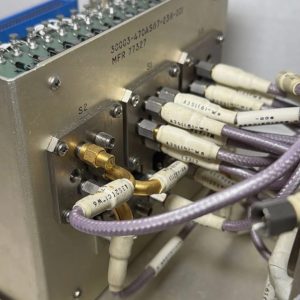
The Aviation Switching Module – NSN 4920-01-250-2696 (AS-IS / Untested) provides aviation maintenance organizations, military-surplus buyers, aerospace technicians, equipment restorers, and collectors with access to a catalog-identified switching component whose operational status has not been confirmed.
An Aircraft Switching Module and Aerospace Switching Module should be treated as specialized equipment rather than universal components that can be connected to any aircraft electrical system.
An Aircraft Electrical Switching Module can have commercial value for technicians, while an Aviation Electrical Control Module or Aerospace Electrical Control Unit requires qualified bench evaluation before operational consideration.
The Aviation Control Module, Aircraft Switching Unit, Aerospace Power Distribution Module, Aircraft Electrical Control Unit, Aviation Power Control Module, Aircraft Electronic Switching System, Aerospace Switching Unit, and Aircraft Electrical Module keywords describe a broad aerospace-electrical product category.
Key Details of the Untested Switching Module
NSN 4920-01-250-2696 should be compared with the data plate, manufacturer number, contract markings, serial number, connector layout, and available documentation on the actual unit.
Unknown markings should be photographed and recorded rather than interpreted without support.
AS-IS Aerospace Equipment Considerations
Internal faults, missing components, damaged wiring, corrosion, previous modification, storage deterioration, or electrical failure may be present even when the exterior appears clean.
An untested component should not be connected directly to aircraft wiring, expensive test equipment, batteries, laboratory supplies, or unknown power sources.
Choosing an Aircraft Switching Module
An Aircraft Switching Module may provide circuit selection, signal routing, controlled connection, isolation, mode selection, or interface functions within compatible aviation equipment.
Switch movement can be checked gently for obvious binding or damage, but mechanical movement does not establish electrical operation.
Inspecting Aerospace Electrical Hardware
The enclosure should be inspected for dents, cracks, corrosion, missing screws, altered holes, broken seals, and unauthorized repairs.
Proper connector protection preserves the Aerospace Switching Module for future testing or restoration.
Evaluating Aircraft Electrical Components
An Aircraft Electrical Switching Module should be inspected for overheated areas, burned insulation, damaged terminals, loose hardware, corrosion, moisture entry, broken controls, and signs of previous disassembly.
If the enclosure is opened for professional inspection, read more the process should be documented with photographs and organized hardware control.
Maintaining Electrical Control Equipment
Professional research should occur before any attempt to connect the Aviation Electrical Control Module.
High-resolution photographs can preserve readable details before cleaning or restoration.
Aircraft Power Switching Module Considerations
An Aircraft Power Switching Module may connect, disconnect, select, or manage compatible electrical power circuits when designed for that function.
Accurate reporting protects buyers seeking an Aircraft Power Switching Module for repair, parts, or research.
Aerospace Electrical Control Unit Evaluation
Visual inspection, continuity checks, insulation review, component identification, and controlled testing may form part of a professional evaluation.
Replacement components should match the required electrical, mechanical, thermal, and environmental characteristics of the original design.
Maintaining Aircraft Interface Hardware
Qualified evaluation supports responsible Aircraft Signal Switching Module use.
Shielding, grounding straps, connector shells, cable clamps, and enclosure bonding can influence signal performance where included in the original design.
Aviation Control Module Applications
Clear intended use helps establish realistic expectations for an AS-IS Aviation Control Module.
Accurate configuration review reduces the risk of an unsuitable Aviation Control Module acquisition.
Commercial Value of an Untested Switching Unit
An Aircraft Switching Unit offered AS-IS may appeal to aviation workshops, military-equipment collectors, technical schools, restoration specialists, and organizations maintaining legacy support equipment.
Training use should avoid destructive modifications when the component has collectible or restoration value.
Aircraft Electrical Distribution Hardware
Power distribution equipment may use switches, relays, terminals, bus structures, circuit protection, and control interfaces depending on design.
The original installation orientation should be researched where possible.
Maintaining Legacy Aviation Control Equipment
The unit should be photographed before and after any preservation work.
Limited testing should not be described as complete serviceability verification.
Untested Aviation Power Equipment
Broad market keywords can support discovery while the technical description remains precise.
Warning labels should remain visible and legible.
Aviation Switching System Troubleshooting
Without those references, operational claims should remain limited.
Intermittent switching problems can result from worn contacts, damaged connectors, corrosion, weak relays, cracked solder joints, unstable power, or harness faults.
Aerospace Switching Unit Storage and Handling
Desiccant or moisture-control materials should not contact electrical components directly unless appropriate.
Shipping should use cushioning that supports the enclosure while protecting protruding switches, connectors, controls, labels, and mounting points.
Evaluating Surplus Aerospace Equipment
An Aircraft Electrical Module should be purchased according to exact identity, intended use, condition, completeness, technical support, testing requirements, and available documentation.
Transparent disclosure strengthens trust in an Aircraft Electrical Module transaction.
Untested Aviation Equipment Condition Checklist
The AS-IS and untested condition should appear clearly within the title, description, invoice, and transaction terms.
- Verify the module identity through its NSN, data plate, physical configuration, connector arrangement, and available technical references.
- Inspect the enclosure for dents, cracks, corrosion, missing screws, altered holes, broken seals, damaged brackets, and signs of previous opening.
- Retain purchase records, photographs, labels, research, testing notes, and repair documentation with the module.
Evaluating an Untested Electrical Module
Testing should begin with identification research, visual inspection, connector mapping, safety review, and examination of available technical documentation.
Partial operation should not be presented as complete certification, calibration, or airworthiness.
Documenting Aviation Electronics Restoration
Temporary substitutions should not become undocumented permanent repairs.
Accurate records support future maintenance and responsible resale.
Choosing the Aviation Switching Module – NSN 4920-01-250-2696 (AS-IS / Untested)
The Aviation Switching Module – NSN 4920-01-250-2696 (AS-IS / Untested) may suit aviation workshops, military-surplus collectors, aerospace technicians, educational programs, equipment restorers, and specialist parts buyers.
The component should be judged according to complete project suitability rather than clean appearance, military-surplus interest, part-number rarity, or price alone.
Whether buyers need an Aircraft Power Switching Module, Aerospace Electrical Control Unit, Aircraft Signal Switching Module, or Aviation Control Module, electrical specifications should be verified before testing.
With prompt attention to switches, connectors, wiring, enclosure condition, corrosion, labels, and internal components, the module can preserve its technical and commercial potential.